Physical Address
304 North Cardinal St.
Dorchester Center, MA 02124
Physical Address
304 North Cardinal St.
Dorchester Center, MA 02124

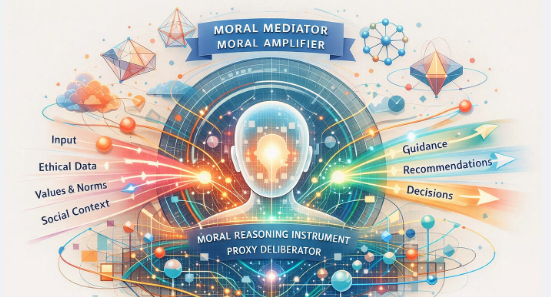
Artificial intelligence (AI) in hospitality is often portrayed as a cold, efficiency-focused tool, overlooking its potential to mediate emotional and ethical dynamics in the workplace. This study addresses the problem of how AI can ethically regulate emotional labor without dehumanizing work, and how emotional reciprocity contributes to workplace happiness. Using a quantitative, multigroup survey methodology, data were collected from 754 hospitality employees and 42 managers across hotels in Spain. Structural equation modeling examined the mediating role of AI-mediated emotional reciprocity (AI-MER) between emotional labor sustainability (ELS), shared prosperity (SP), human-centered leadership, and workplace happiness. Findings reveal that ELS is a foundational anchor enabling AI to mediate ethics effectively, and SP strongly predicts employee responsiveness, demonstrating that fairness and inclusion are prerequisites for ethical AI governance. Managerial practices include embedding emotional labor monitoring into AI systems to prevent burnout and aligning AI interventions with transparent, equitable organizational policies to foster trust. Future research could explore cultural variations in AI-mediated emotional reciprocity and the long-term effects of AI-MER on employee retention and guest satisfaction. This study advances the conceptualization of AI as a moral–emotional mediator, transforming ethical principles into actionable, systemic workplace practices in hospitality.